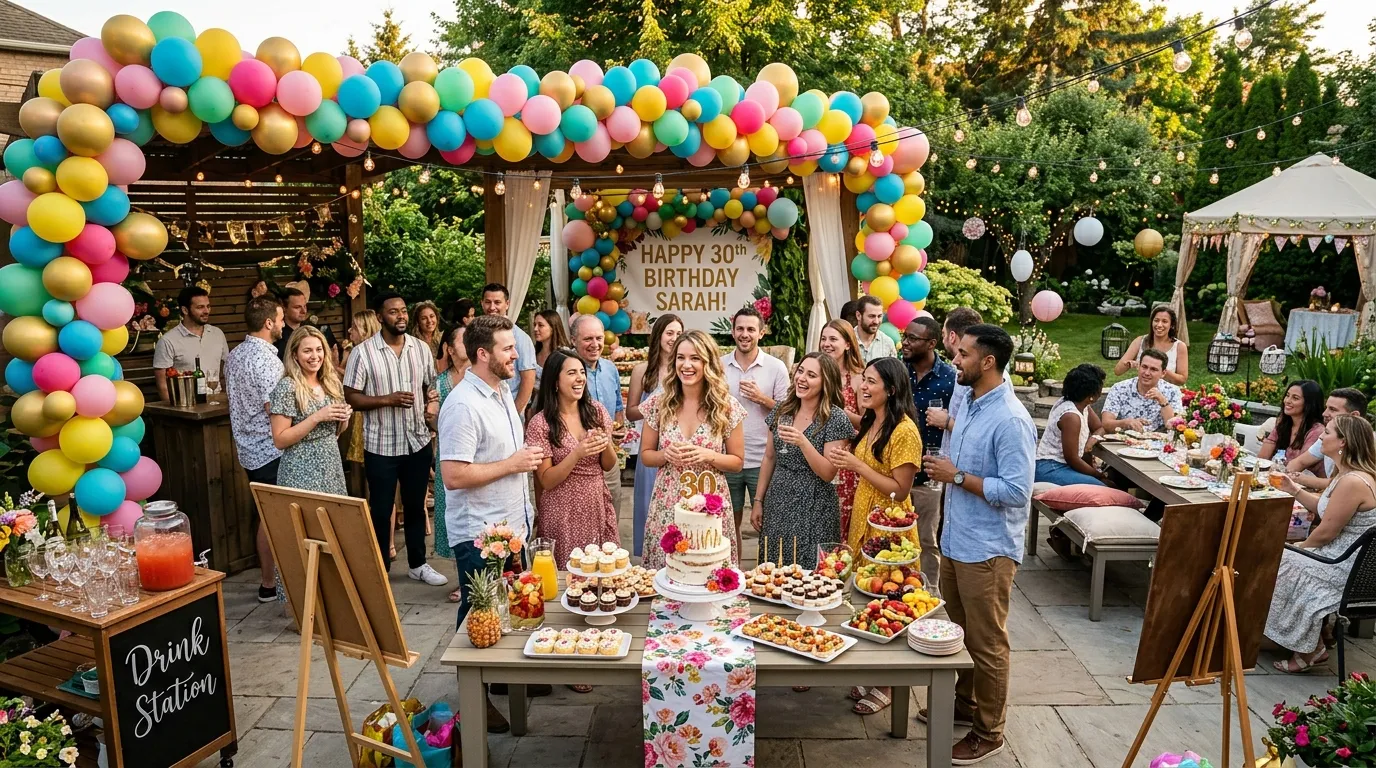
Planning a birthday party should feel exciting — not like managing a small construction project. The reason most people find it stressful is not because it is actually complicated but because they try to figure out everything at once without a clear sequence to follow. When you know what to decide first, what to do next, and what can wait until the week before the party, the whole process becomes significantly more manageable and genuinely enjoyable.
This step-by-step guide covers everything you need to plan a birthday party from the very first decision to the moment the last guest leaves. Whether you are planning a small backyard gathering for fifteen people or a milestone celebration for one hundred, the same framework applies — only the scale changes. Work through these steps in order and you will arrive at party day prepared, confident, and actually looking forward to the event you planned.
How Far in Advance Should You Start Planning?
The single biggest mistake people make in birthday party planning is starting the fun parts first — choosing themes and designing dessert tables — while leaving the logistical foundations too late. Here is a simple guide to planning windows based on party scale:
- Small home gathering (under 20 guests): 3 to 4 weeks is sufficient
- Medium party with a hired venue (20 to 50 guests): 6 to 8 weeks
- Large milestone celebration (50+ guests) or destination event: 3 to 6 months
The most time-sensitive decisions — venue booking and entertainment reservations — need to be made as early as possible regardless of party size. Popular venues and in-demand vendors book out faster than most people expect, especially for weekend dates between April and September.
Step 1 – Choose the Date, Time, and Guest List
These three decisions are completely intertwined and should be made together before any other planning begins. The guest count determines the venue size you need. The venue determines the budget range you are working with. The date drives everything else from invitation timing to vendor availability.
Choosing the Right Date
The birthday date itself is not always the best party date. Hosting on a nearby weekend almost always improves attendance — guests can travel, stay later, and arrive without rushing from work. Before committing to a date, do a quick check for conflicts: major holidays, school events, local sporting fixtures, or any significant dates for your key guests. For milestone birthdays, consider that guests may need to travel — a Saturday gives maximum arrival flexibility.
Finalizing Your Guest List
Write out your guest list before booking anything. Start with your non-negotiables — the people whose absence would genuinely affect the celebration — then build outward. Be realistic about the space you are planning to use. Crowding guests into a space that is too small is one of the most common and most avoidable party planning mistakes. A focused group of thirty in a comfortable space consistently produces a better experience than sixty people in the same room.
Choosing a Time of Day
A two to three hour duration is the sweet spot for most birthday parties — long enough for people to genuinely connect and enjoy themselves, short enough that energy stays high throughout. Afternoon parties (2 to 5 PM) are ideal for children’s celebrations and casual adult gatherings. Evening events (7 PM onwards) suit adult milestone birthdays and more formal celebrations. Morning brunch parties (10 AM to 1 PM) are increasingly popular for intimate adult gatherings and work beautifully for milestone birthdays where a relaxed, sophisticated atmosphere is the goal.
Step 2 – Set Your Budget
Budget is the most important decision in party planning and the one most people avoid making explicit until they are already overspent. A budget does not limit your party — it guides your priorities and prevents the specific stress of discovering you have spent all of your money on decorations and have nothing left for food.
A Simple Budget Framework
A reliable starting allocation across major cost categories:
- Food and drinks: 35 to 40% of total budget
- Venue: 20 to 25% (or zero if hosting at home)
- Decorations: 10 to 15%
- Entertainment and activities: 10 to 15%
- Cake: 5 to 10%
- Invitations and party favors: 5%
- Buffer for surprises: 10%
The buffer category is genuinely important — unexpected costs (extra guests confirming last minute, a vendor price change, weather-related backup supplies) are essentially guaranteed in any party planning process. Budget for them proactively rather than scrambling to cover them reactively.
Budget Tips That Actually Work
Hosting at home versus renting a venue is the single largest budget variable available to you — the difference can be $300 to $2,000 depending on location and duration. If your home can accommodate your guest count comfortably, this is always the most budget-effective choice. Choosing a theme that naturally guides your decoration spending (the game board theme where your existing board games become the decor, the garden party where the yard does the visual work) dramatically reduces what you need to buy. And ordering or making your own food rather than full catering delivers the largest savings-to-quality ratio of any budget decision you can make.
Step 3 – Choose a Theme and Venue
Once you know your approximate guest count and budget, you are ready to choose a theme and confirm your venue. These two decisions should inform each other — the theme helps define the visual and activity direction, while the venue shapes what is actually achievable.
Choosing a Theme
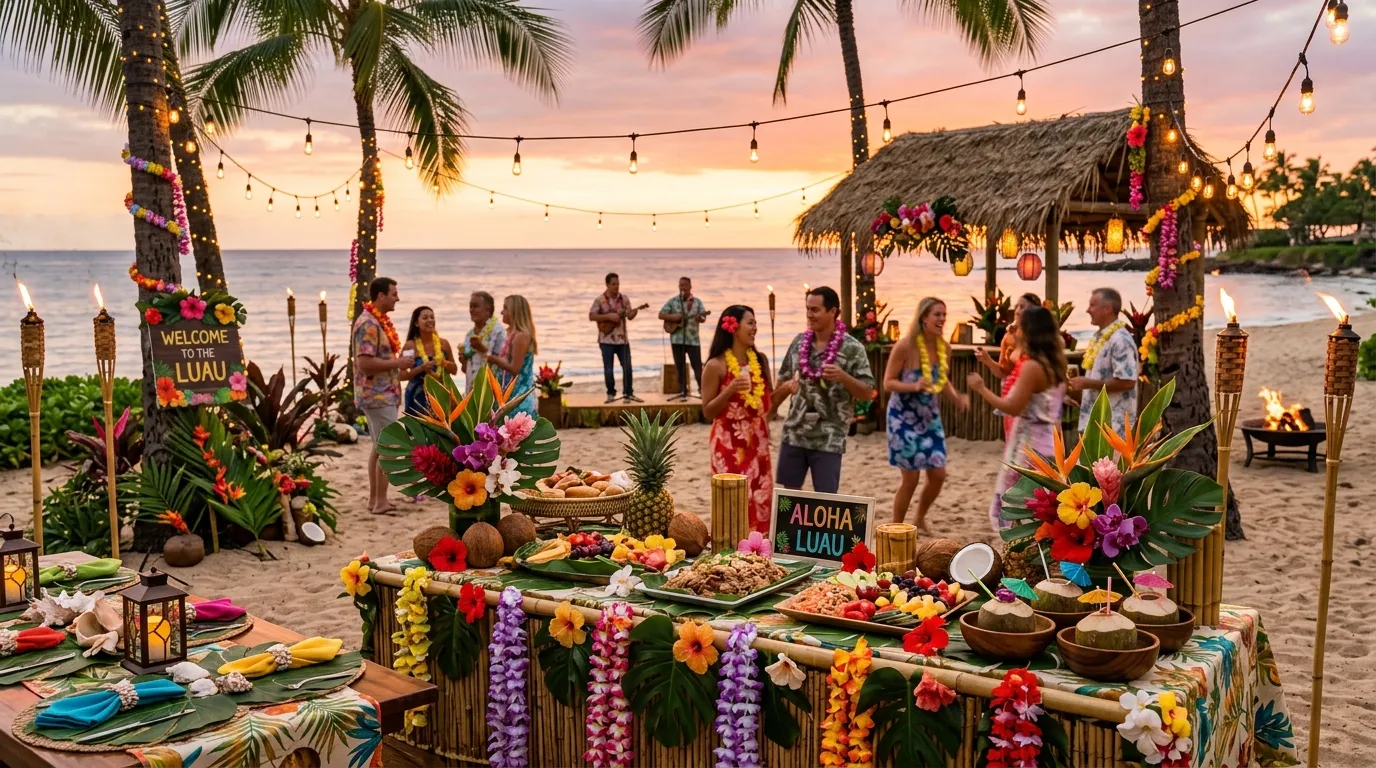
A theme is not mandatory, but it makes every other planning decision easier. It guides your color palette, decoration choices, food presentation, activity selection, and invitation design. A coherent theme is the difference between a party that feels intentional and one that feels assembled from whatever was on sale. For age-specific theme inspiration covering toddlers through tweens, the 20 Best Kids Birthday Party Themes guide on Party Monster has age-grouped options for every interest and personality. For adult birthday inspiration across every milestone age, explore the full Party Themes section.
Booking Your Venue
If you are using a hired venue, book it as the very next step after finalizing your date. Weekends between spring and autumn fill up quickly at popular spaces. When evaluating venues, consider: capacity for your confirmed guest count, parking access, catering policy (some require you to use their caterer), setup and teardown time included in the rental window, and whether outdoor space is available if weather permits.
For home parties, do a walk-through of the space you plan to use and estimate: Where will guests naturally gather? Where will the food table sit? Is there a natural spot for a photo area or activities? Where does the birthday cake moment happen most naturally? Answering these questions in advance makes setup on party day dramatically faster and less stressful.
Step 4 – Send Invitations and Manage RSVPs
Invitations should go out four to six weeks before the party for most celebrations, and six to eight weeks ahead for milestone events where guests may need to travel or arrange childcare. Earlier is always better — earlier invitations generate better attendance because guests have not yet filled that date with other commitments.
What to Include on Every Invitation
Every invitation needs: the guest of honor’s name, the date, start time and approximate end time, the full address or venue name, RSVP deadline and contact method, any dress code (if applicable), and any special instructions (parking details, allergies note, whether to bring swimwear). An RSVP deadline of two weeks before the party gives you enough time to adjust food quantities and activity planning based on the confirmed headcount.
Digital vs. Physical Invitations
Digital invitations — sent via email or messaging apps — are fast, free, allow easy RSVP tracking, and can be beautifully designed. Paperless Post offers a wide range of birthday invitation designs with built-in RSVP tracking for free, making it one of the most practical tools available for home party planning. Physical invitations are more appropriate for formal milestone celebrations and are often kept as keepsakes — particularly valuable for significant birthdays like 50th and 60th anniversaries. For most casual birthday parties, digital invitations are equally effective and far more convenient.
Step 5 – Plan Food, Drinks, and the Cake
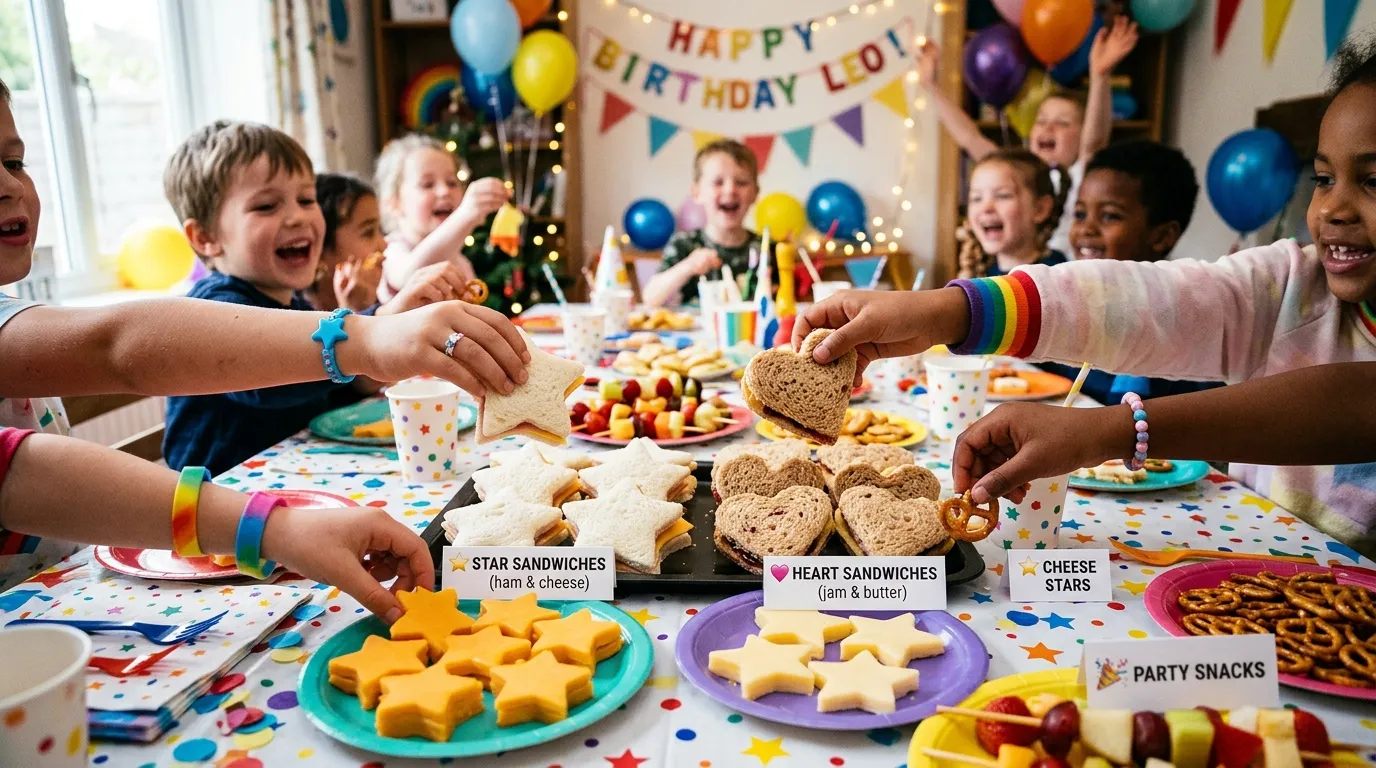
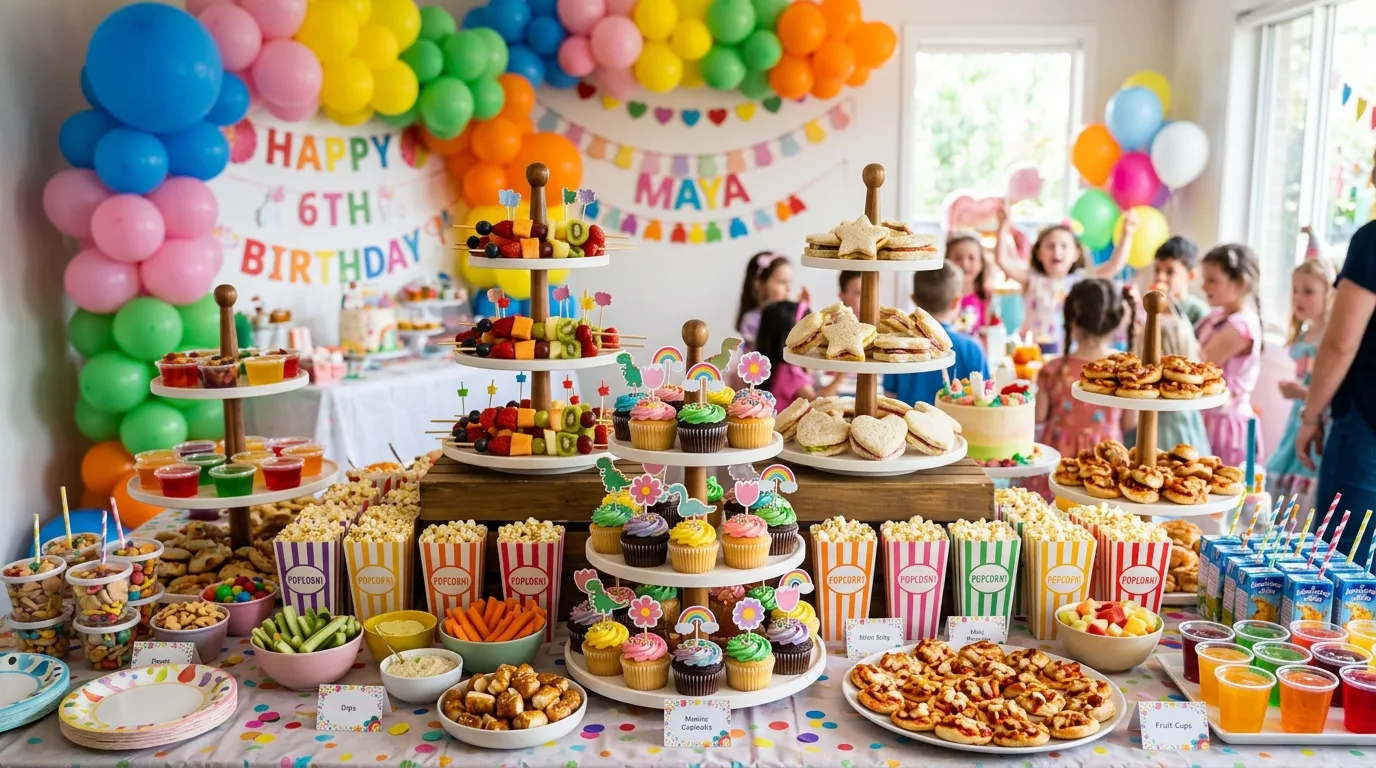
Food planning for a birthday party comes down to one key question: sit-down or finger food? Sit-down dinners require more setup, more coordination, and more per-person budget — but create a more formal, intimate atmosphere. Finger food and buffet-style spreads are easier to manage, more budget-friendly, and work better for parties where guests will mingle rather than be seated throughout.
How Much Food to Prepare
A reliable quantity rule: plan for 6 to 8 individual bites per guest per hour for finger food parties, or one generous main course serving and two to three sides per guest for sit-down meals. Always prepare 10 to 15% more than you calculate based on confirmed RSVPs — some guests bring an unexpected plus-one, and running out of food at a birthday party is the single most avoidable and most memorable catering failure.
The Birthday Cake
Order a custom birthday cake from a local bakery at least two weeks in advance for standard designs, and three to four weeks for elaborate custom cakes. If you are making the cake yourself, practice the recipe at least once before the party. For the quantities: a standard 9-inch round layer cake serves twelve to sixteen people; plan accordingly for your guest count and supplement with additional sweet bites (cupcakes, cake pops, cookies) if your guest list is larger.
For complete make-ahead food ideas that eliminate last-minute cooking on party day, visit the Easy Finger Foods for Parties and Food & Drinks sections on Party Monster.
Step 6 – Plan Activities and Entertainment
Activities are what give a party its energy arc — they prevent the long lull that can settle over a gathering after food is finished and before anyone has had enough time together to generate their own momentum. For children’s parties, activities are the party. For adult parties, they are the catalyst for connection.
Activities for Kids’ Parties
Plan one or two structured activities and supplement with free play. Structured options — a craft station, a themed game, a scavenger hunt — work for the first hour when energy is high and children are still forming groups. Free play with themed props or a photo booth area covers the second half of the party when the structure naturally loosens. Always have one backup activity ready in case something ends earlier than expected. For specific activity ideas across every age group, the Party Games section on Party Monster has a full library of options.
Activities for Adult Parties
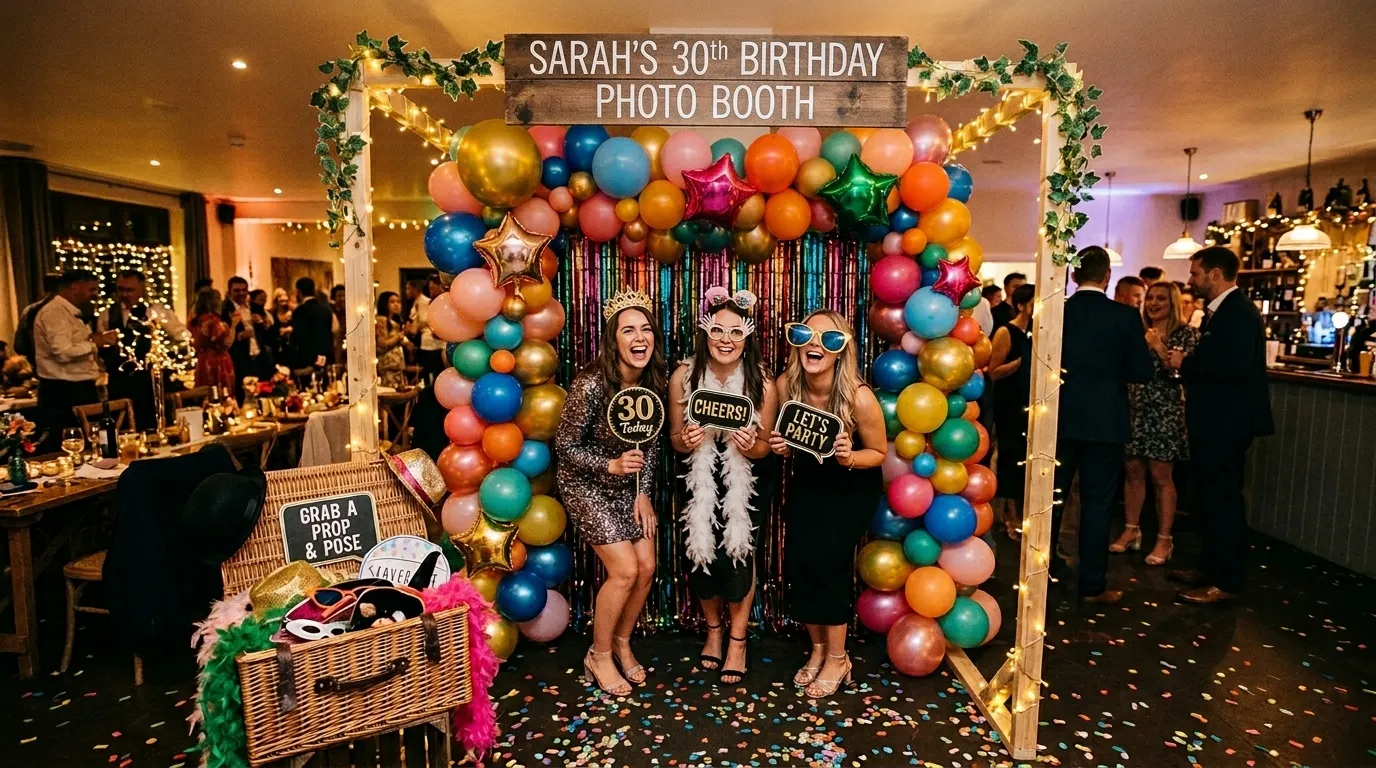
Adult birthday parties work best when activities are light-touch — conversation starters rather than structured games. A photo booth corner with props, a themed quiz about the birthday person, or one well-chosen interactive game (Jackbox, Codenames, or a pub-style trivia round) gives guests a natural focal point without making anyone feel put on the spot. If you are planning a milestone birthday that calls for something more immersive, a murder mystery format works brilliantly for groups of eight to twenty who enjoy storytelling and a bit of performance.
Step 7 – Decorations and the Day-of Setup
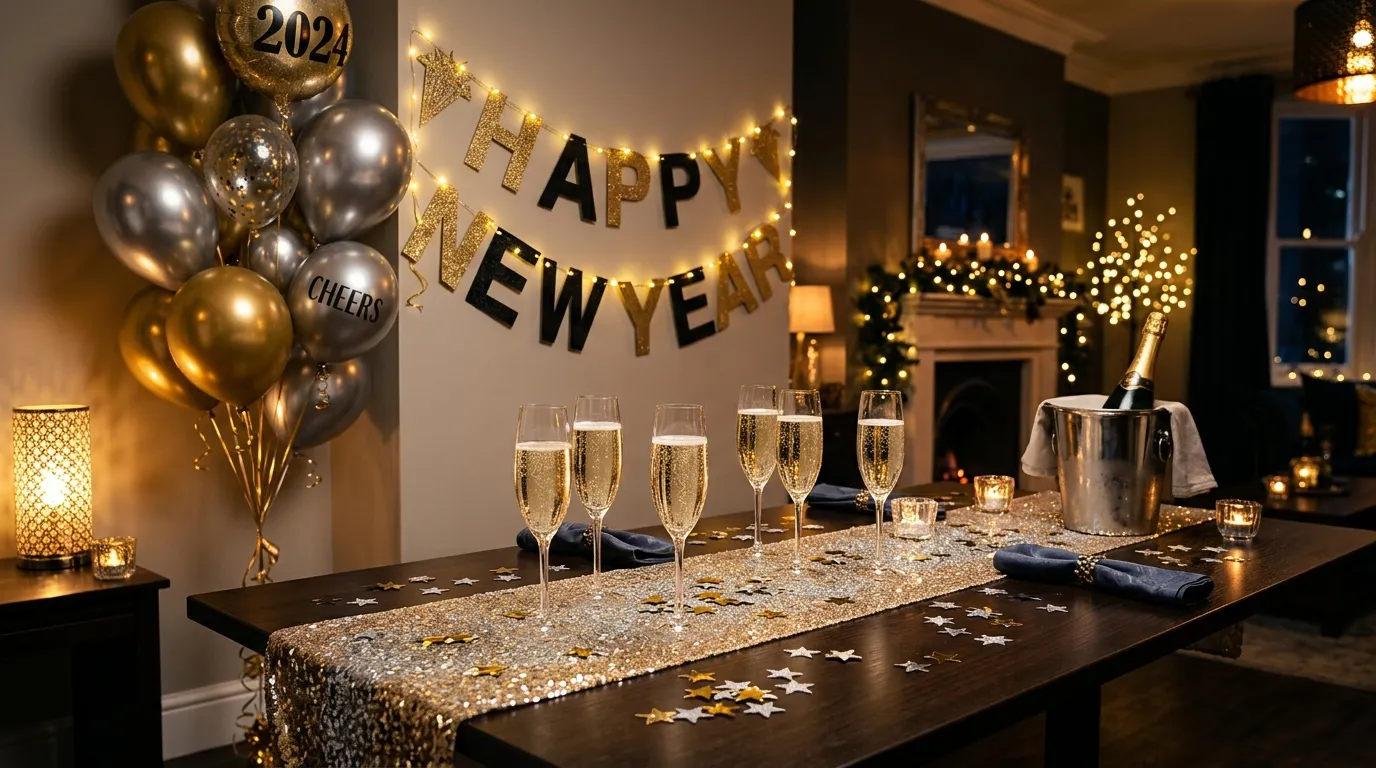
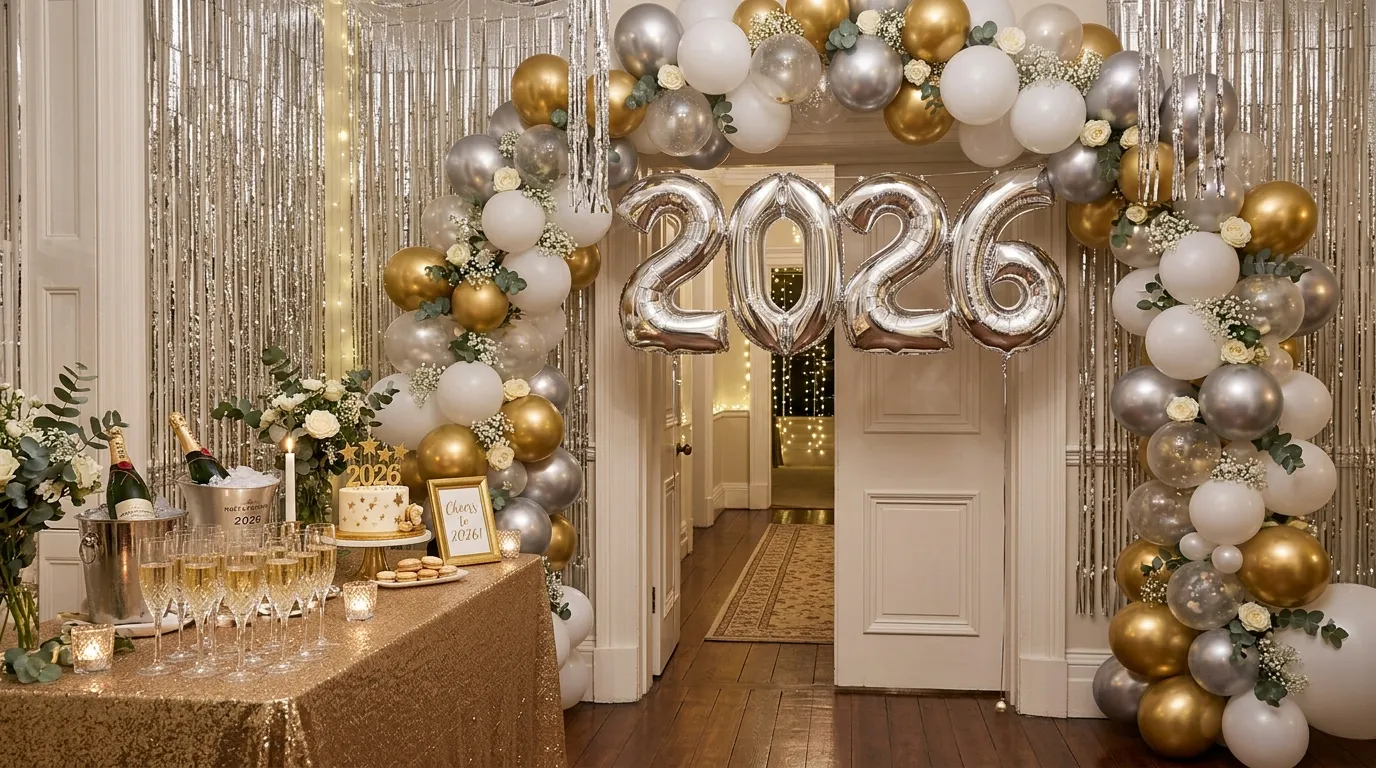
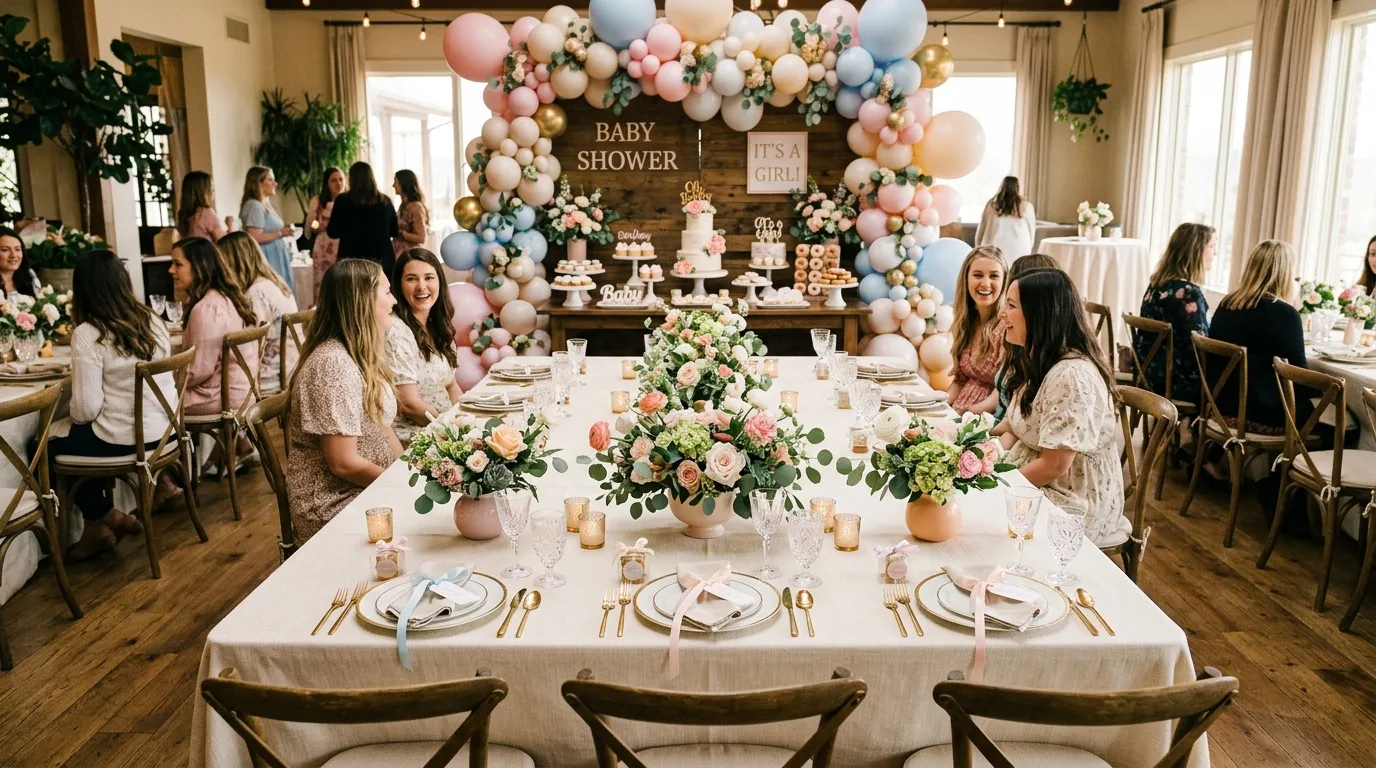
Birthday party decorations do not need to be elaborate to be effective. A balloon garland above the food or cake table, a coordinated color palette across tableware and florals, and one focal point element (a custom banner, a neon-style sign, or a photo backdrop) creates a party that looks professionally styled with a modest decoration budget.
Set Up the Night Before
Assemble everything that can be assembled in advance — balloon garlands, table centerpieces, signage, the photo booth area, favor bags — the evening before the party. Leave only perishable food items and fresh flower arrangements for the day itself. Arriving at your party setup with three to four hours of work already done gives you a relaxed morning rather than a frantic one.
Create a Party Day Timeline
Write a simple timeline for the party day itself — when decorations finish, when food is ready, when guests are expected to arrive, when the cake comes out, when activities happen. Share this with anyone who is helping. A written timeline does not mean the party runs like a corporate event — it means you have a clear backbone that keeps things moving naturally without anyone having to make real-time decisions under pressure. According to ClassPop’s birthday party planning guide, having a clear schedule is the single most consistent differentiator between hosts who enjoy their own parties and those who spend the whole event managing logistics.
The Complete Birthday Party Planning Checklist
Use this master checklist as your reference throughout the planning process:
Six to Eight Weeks Before (Large Events) or Three to Four Weeks Before (Home Parties)
- Confirm the date, time, and approximate guest count
- Set your total budget and allocate across categories
- Choose a theme
- Book the venue or confirm home party logistics
- Book any entertainment or special vendors that require advance reservations
- Send invitations with RSVP deadline
Two to Three Weeks Before
- Order or plan the birthday cake
- Confirm food and drink quantities based on RSVPs received
- Purchase decorations — balloons, tableware, banners, centerpieces
- Plan your activity or entertainment schedule
- Follow up with guests who have not responded to invitations
- Source or order party favors
One Week Before
- Confirm final guest headcount and update food quantities if needed
- Shop for non-perishable food items
- Prepare any make-ahead food or baked items
- Assemble party favor bags
- Write a party day timeline and share with helpers
The Day Before
- Assemble all decorations that can be done in advance
- Set up the cake table, favor display, and any activity stations
- Charge any cameras, phones, or devices for capturing the event
- Prepare make-ahead food items and refrigerate
Party Day
- Pick up the birthday cake
- Set out all food and drinks thirty to sixty minutes before guests arrive
- Add fresh flowers or final perishable decoration elements
- Complete any remaining decoration touches
- Set out props or materials for activities
- Position a camera or designate someone to capture candid moments
- Then — put the checklist away and enjoy the party you planned
The best birthday parties are not the most perfectly executed ones. They are the ones where the host is present, relaxed, and genuinely enjoying the gathering they worked hard to create. A solid plan makes that possible — so make your plan, trust it, and then let the celebration take care of itself.
For more birthday party ideas across every age and occasion, explore the full Birthdays category on Party Monster. And for decoration ideas, game suggestions, and food inspiration to complete your birthday plan, visit the Party Planning Tips section.