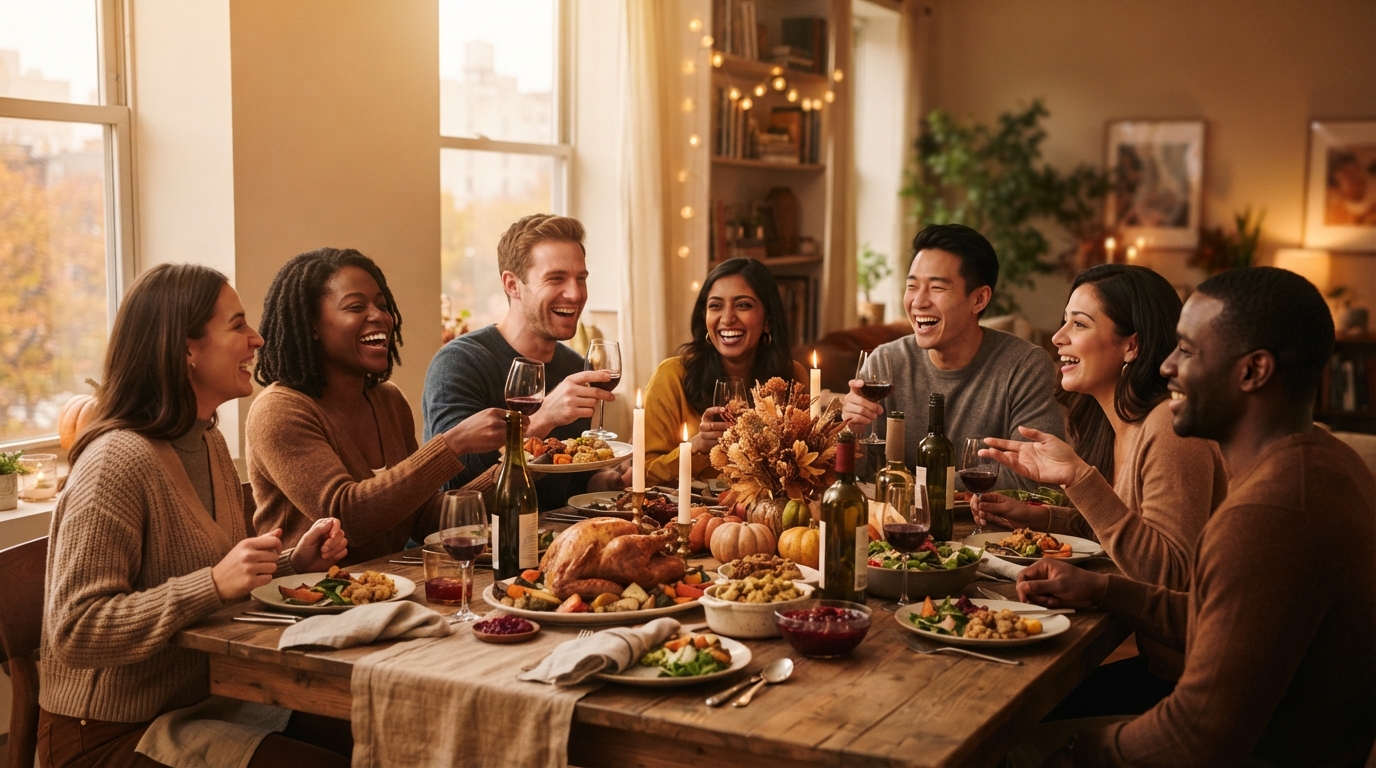
Friendsgiving is at its best when it feels generous, relaxed, and easy to join. It is not a test of who can roast the most impressive turkey or set the most formal table. It is a chance to bring friends together around a shared meal, good conversation, and a plan that gives everyone a small role to play.
For 2026, Thanksgiving falls on Thursday, November 26, which makes the weeks before it a natural time to schedule a Friendsgiving gathering. Check the 2026 Thanksgiving calendar date as you choose a weekend that works for your group. Whether you are hosting six close friends in an apartment or a larger crowd with a backyard overflow area, a simple potluck structure can keep the day fun instead of frantic.
Use this Friendsgiving potluck planning guide to build a menu, assign dishes fairly, arrange your space, and create a celebration that lets the host enjoy the party too.
Start With a Simple Friendsgiving Format
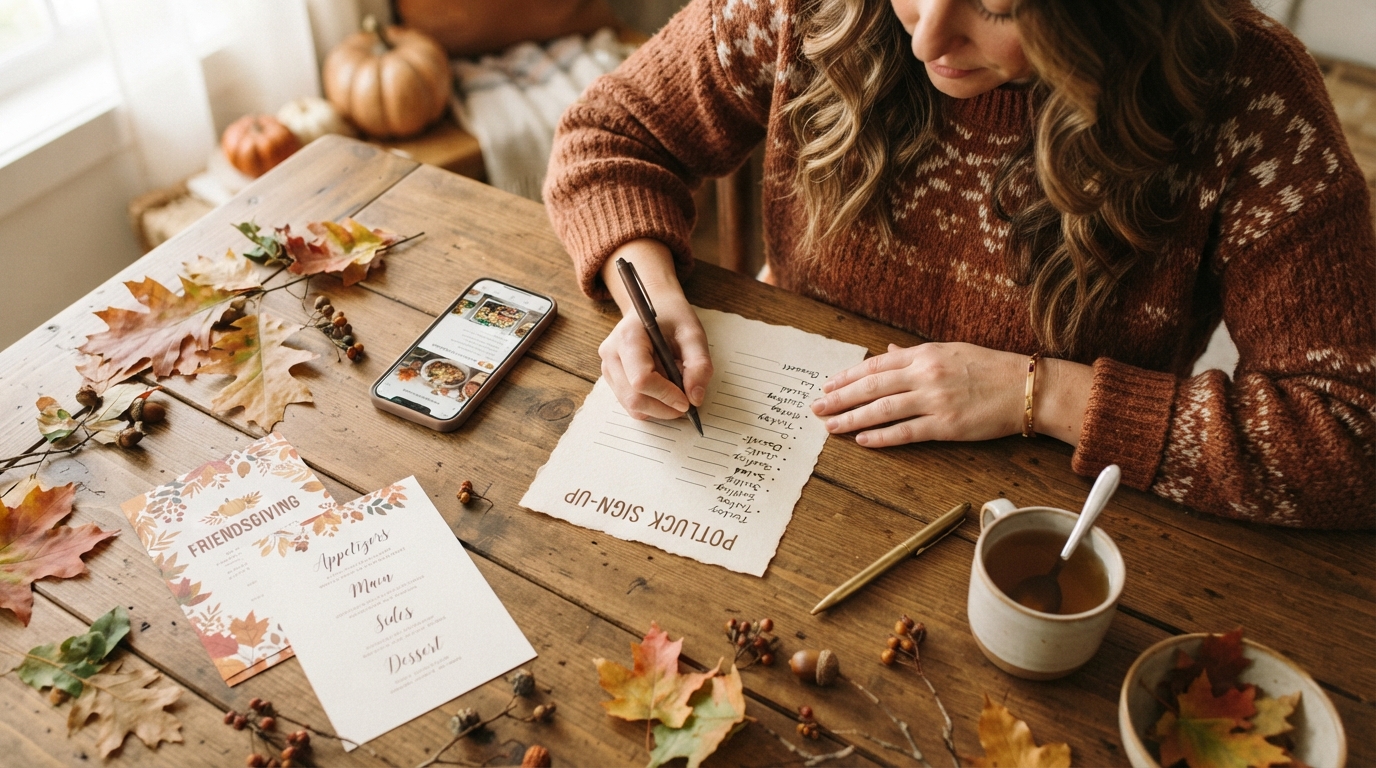
Before you send invitations, decide what kind of gathering you can comfortably host. A clear format prevents last-minute confusion and makes it easier for guests to contribute. Choose a start and finish time, estimate your guest count, and decide whether the meal will be seated, buffet-style, or a casual open-house spread.
Choose a guest count that fits your space
Count usable seats, surfaces, and serving space before you invite. In a small home, mixed seating often feels more welcoming than cramming everyone around one table. If weather permits, use a patio or backyard as an overflow conversation area; see the Backyard Party Planning Guide for ideas.
Set expectations in the invitation
Your invitation should answer the questions guests will have before they ask them. Include the date, arrival time, whether children or plus-ones are welcome, the overall vibe, and how the meal will work. A friendly note such as, “Bring one assigned dish or drink to share, and come ready for dessert at 7,” keeps the event warm while making the potluck plan clear.
Ask about allergies, dietary preferences, and kitchen access early. This gives you time to make the menu feel inclusive without turning the meal into a complicated restaurant order. A well-planned Friendsgiving can include vegetarian, vegan, gluten-free, and kid-friendly choices without requiring every dish to meet every need.
Build a Potluck Plan That Feels Fair
The easiest way to avoid five desserts and no vegetables is to assign contribution categories. Do not ask guests to bring “anything.” Instead, share a simple list and let people choose or assign dishes directly. This protects the host from filling every gap and helps guests feel useful.
Use contribution categories
Divide the menu into a main dish, vegetarian main, two vegetable sides, starches, salads, appetizers, bread, desserts, drinks, ice, and serving supplies. If you are making the centerpiece dish, assign the sides and dessert. If the gathering is more casual, ask each guest or pair to take one category and keep the menu easy to carry and serve.
Encourage guests to bring food in a ready-to-serve container whenever possible. A dish that needs twenty minutes of oven time can create a traffic jam in a small kitchen. The best contributions travel well, can be set out quickly, and do not depend on your cookware. For approachable ideas that work before the main meal, link guests to Easy Finger Foods for Parties.
Send one copy-and-paste assignment message
Keep your planning message short: “I am handling the main dish and plates. Alex is bringing a vegetable side, Jordan has dessert, and Sam has a non-alcoholic drink. We still need bread, ice, and one appetizer. Reply by Wednesday if you would like a category.” This approach gives the group a shared picture of the menu without a long chain of messages.
Make the Food and Drinks Easy to Serve
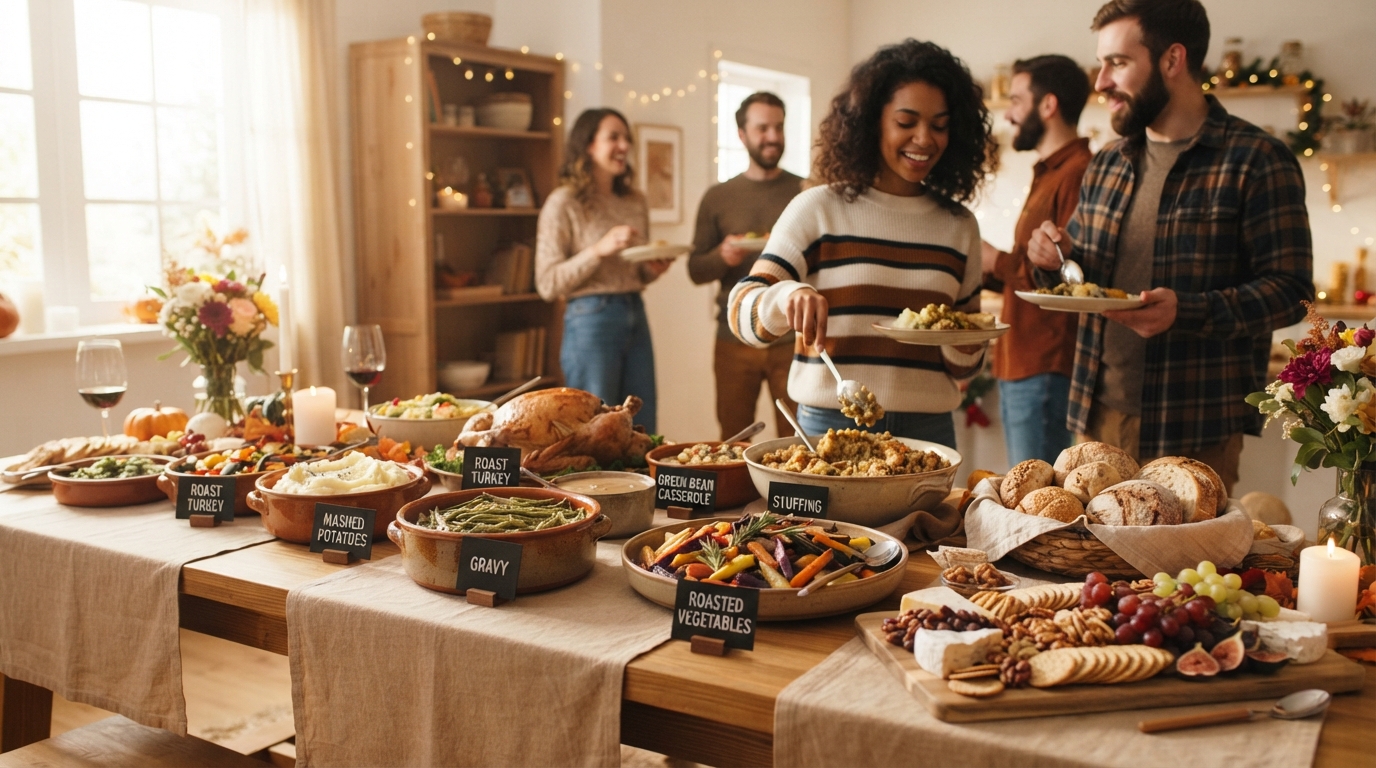
A relaxed Friendsgiving does not require every dish to arrive hot at the same moment. Create a meal flow that lets guests snack, chat, and help themselves while final dishes are set out. Start with a small appetizer station, serve the main meal buffet-style, and save dessert for a natural second wave of conversation.
Create a self-serve drinks station
Move beverages away from the kitchen so guests can help themselves. Set out water, sparkling water, ice, cups, napkins, and one or two signature options. A large pitcher of a seasonal non-alcoholic drink makes everyone feel included, while an optional cocktail batch can sit beside it for adults who want one. For help shaping the drink menu, use Signature Cocktail Ideas for Your Party.
Keep food safe without hovering
Use small serving dishes and refill them as needed instead of leaving every item out at once. Keep hot foods hot and cold foods chilled, especially if the party lasts several hours. The USDA food-safety guidance for leftovers recommends refrigerating perishable food within two hours at room temperature. Set out a few storage containers before guests arrive so cleanup does not become an afterthought.
Style the Table for Conversation
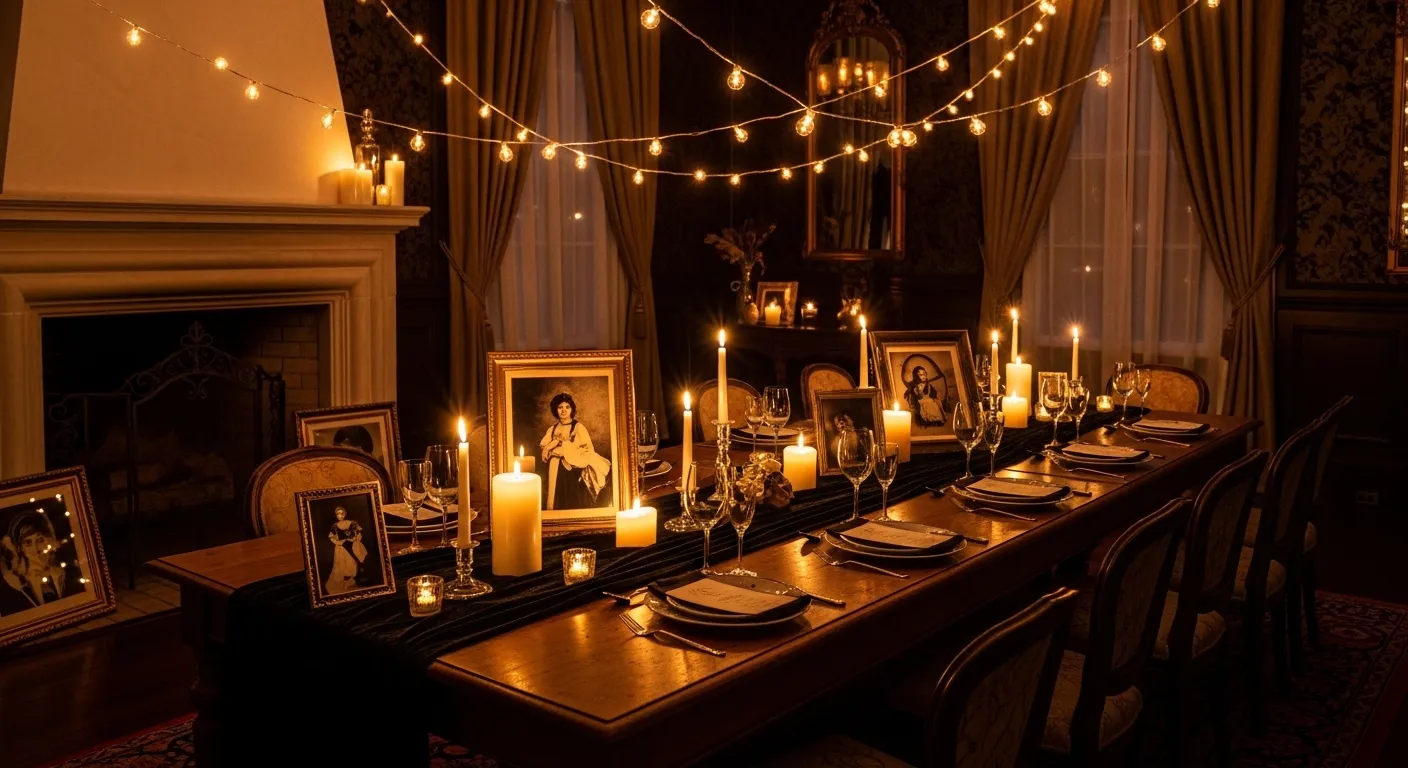
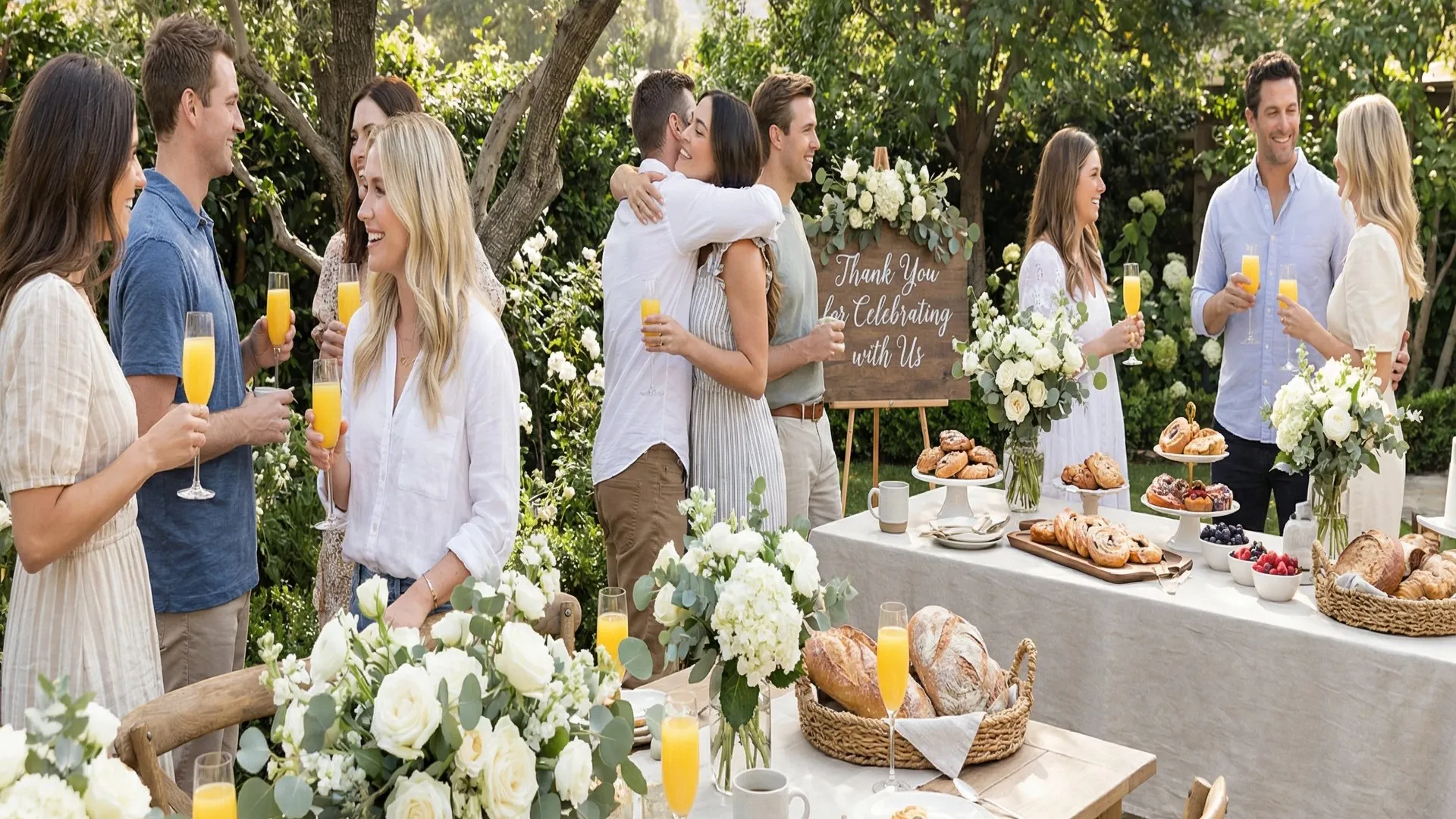
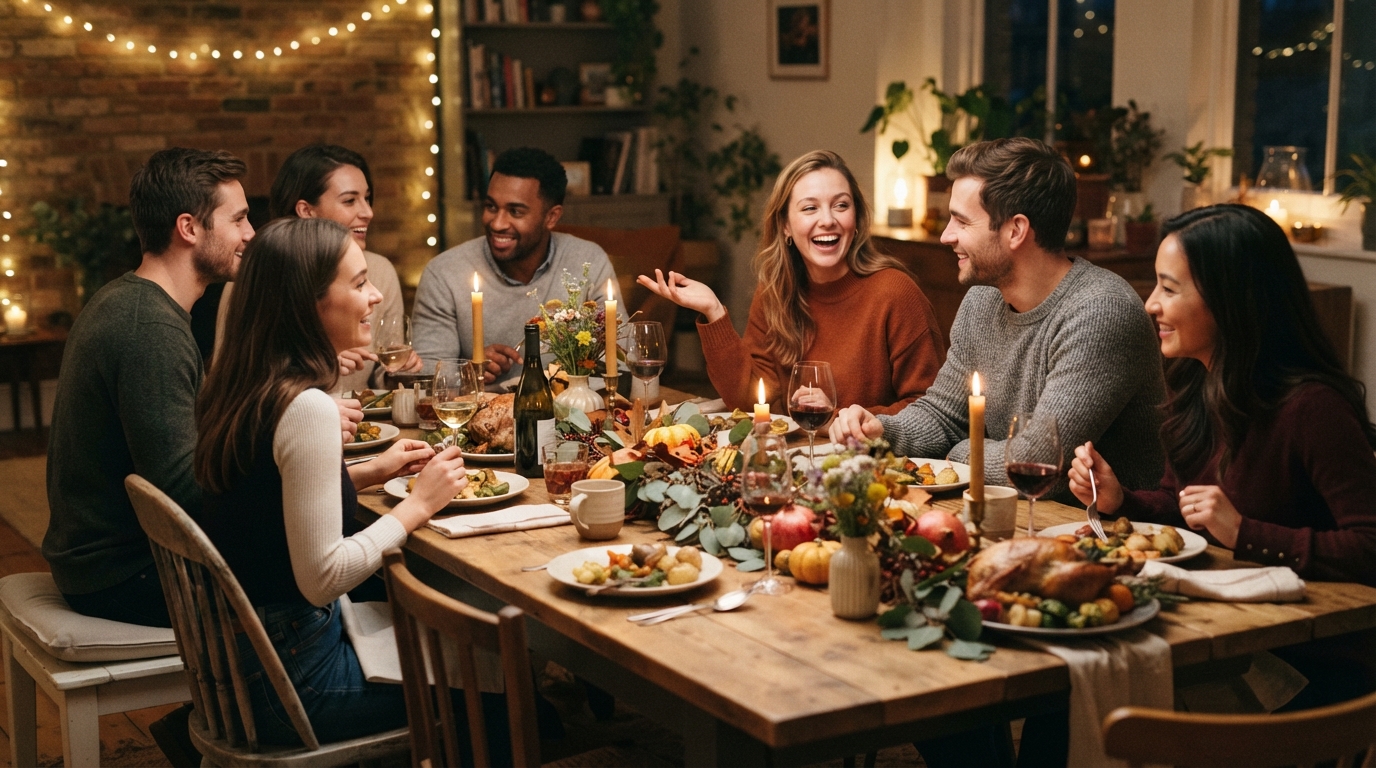
Friendsgiving décor should make the room feel inviting, not make guests afraid to set down a plate. Start with a warm, flexible palette such as rust, amber, cream, forest green, or deep plum. A runner, cloth napkins, candles, and a few seasonal elements can create a polished table without blocking sight lines.
Use low centerpieces and flexible seating
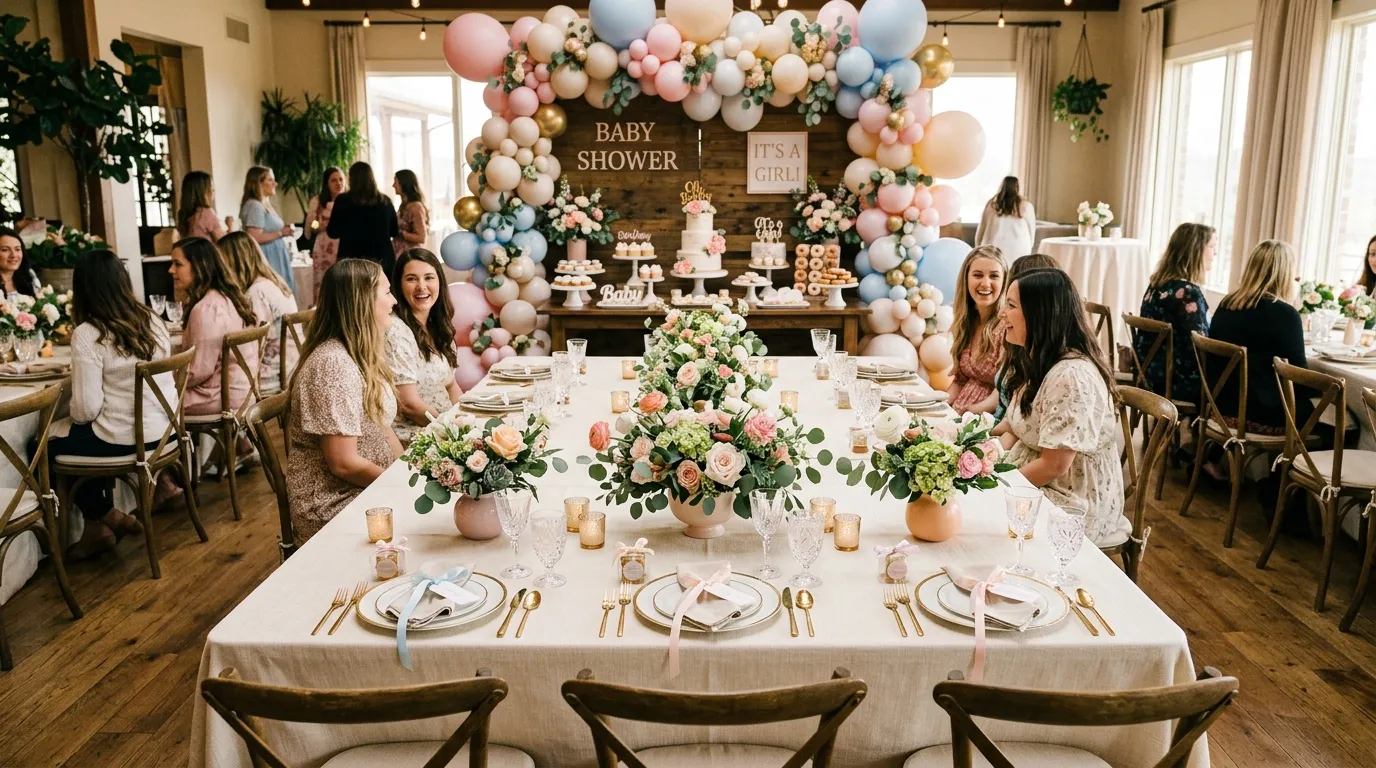
Choose centerpieces that sit below eye level so people can see one another across the table. Small bud vases, taper candles in sturdy holders, mini pumpkins, or a loose line of greenery are enough. The Party Table Centerpiece Ideas guide can help you adapt the look to your budget and table size.
Add a Few Low-Pressure Activities
The best Friendsgiving activities are optional. Give guests a way to connect without making anyone perform. Place a small bowl with conversation prompts near the table, start a shared playlist, or leave disposable cameras or a simple photo corner available for anyone who wants to use them.
Keep gratitude simple and personal
If your group enjoys a gratitude moment, make it brief and voluntary. Pass around cards where guests can write something they appreciated this year, then place the cards in a jar to read privately or share after dessert. You can also ask each person to name a favorite memory from the year. The goal is connection, not a formal program.
End with an easy cleanup plan
Before guests arrive, clear one shelf in the refrigerator and set out labels, foil, and takeaway containers. At the end of the night, invite friends to pack their own leftovers and take home the dishes they brought. A few people will usually offer to wash up, but you do not need to direct a cleanup crew. Focus on putting away perishable food, collecting dishes, and leaving the rest for the next morning.
A successful Friendsgiving potluck is not measured by a perfect menu or matching décor. It is measured by whether everyone feels welcome, fed, and able to enjoy the time together. Plan the structure, share the work, and leave enough room for the unplanned conversations that make the celebration memorable.